
Evidence-led export sourcing

Useful notes for plywood buyers.

Short, practical guides written from real orders — no recycled marketing content.

Buying guide

Six decisions that make a plywood quotation real

A plywood price without a full specification is not a price — it is bait. Before comparing suppliers, fix these six decisions in writing:

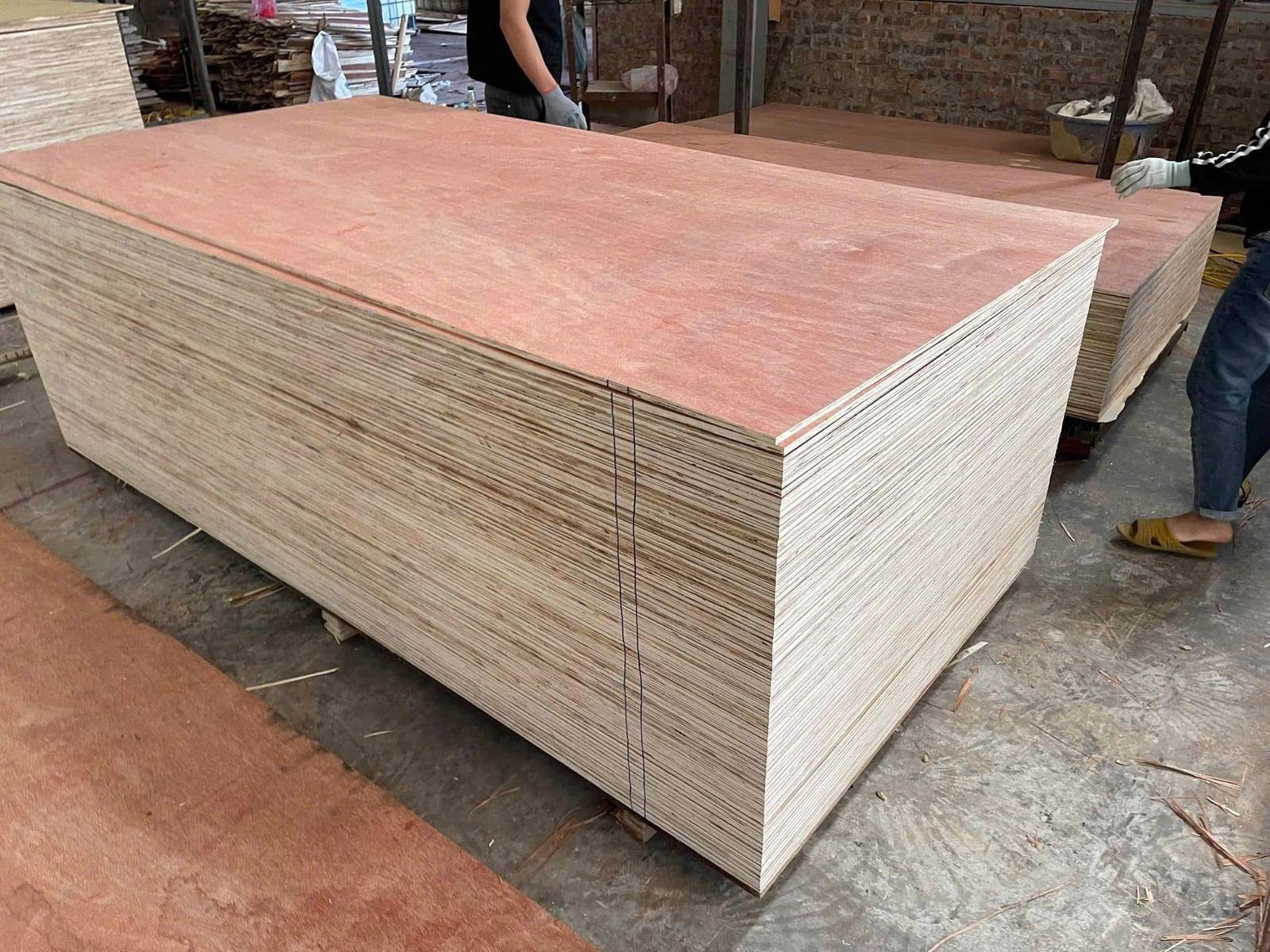
  • Panel size. 2440 × 1220 mm (8 × 4 ft) is the standard export format from Vietnam. Non-standard sizes change loading yield and price.
  • Thickness mix. A container is usually a mix (for example 4.6 mm + 9.5 mm). The mix drives both the m³ price and how many sheets fit in a 40'HQ — typically 45 – 47 m³.
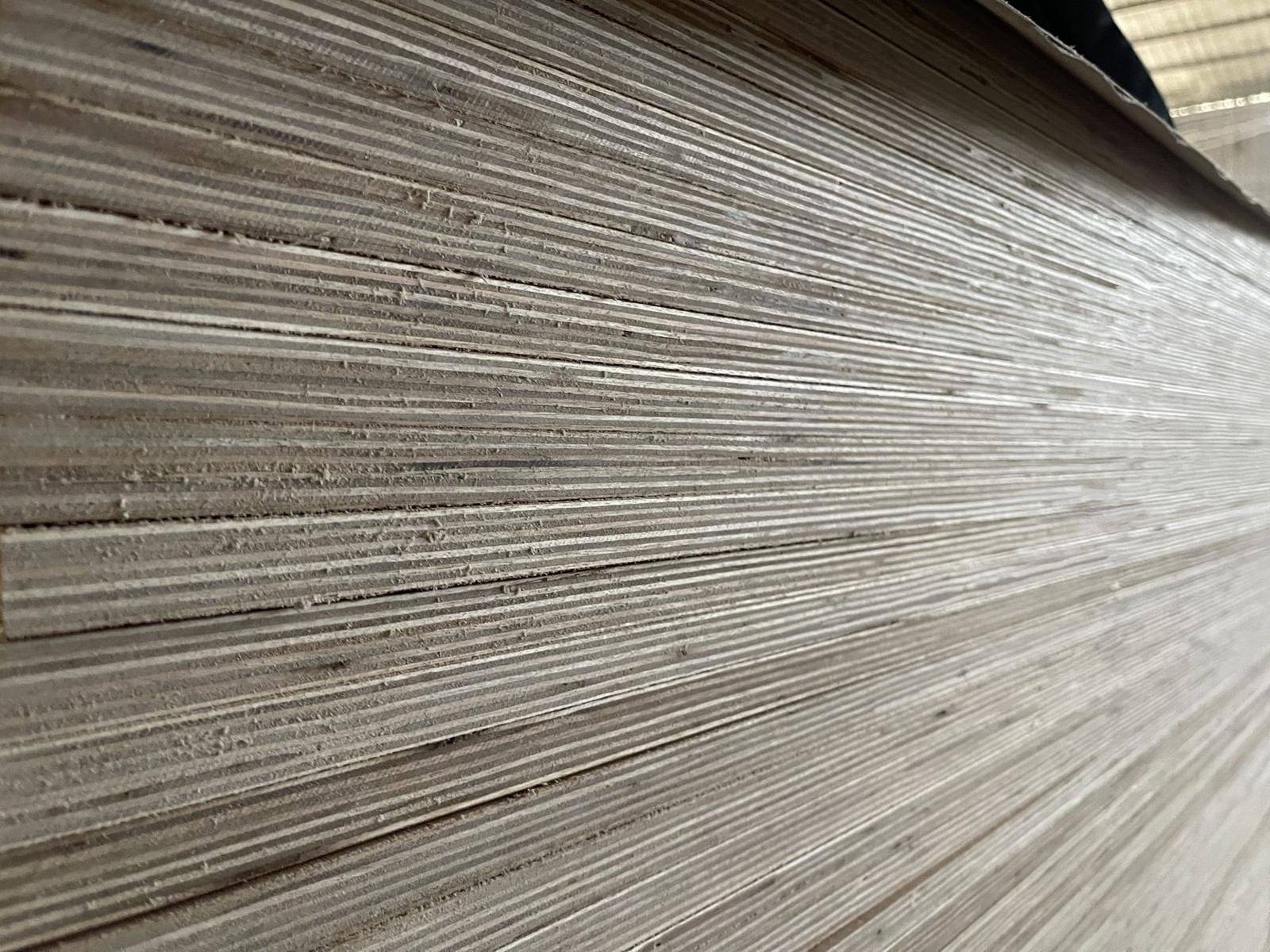
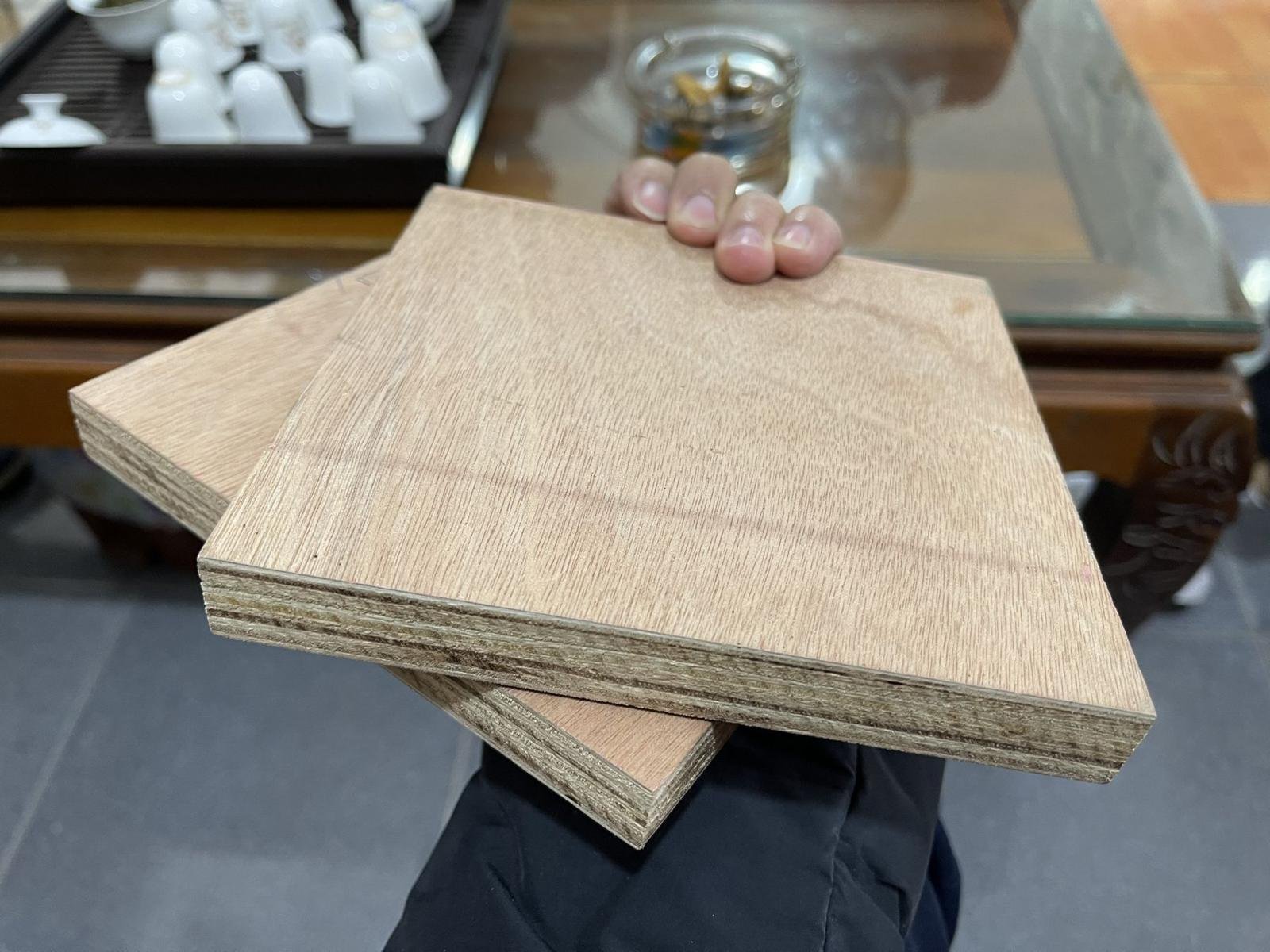
  • Core. Eucalyptus, acacia or mixed hardwood cores behave differently in strength, weight and price. "Hardwood core" without a species is not a specification.
  • Face. Bintangor, engineered veneer or melamine — and always against an approved physical sample, not a photo.
  • Glue. MR, E2, E1 or E0 depending on the destination market's formaldehyde rules. State the test requirement before the quote.
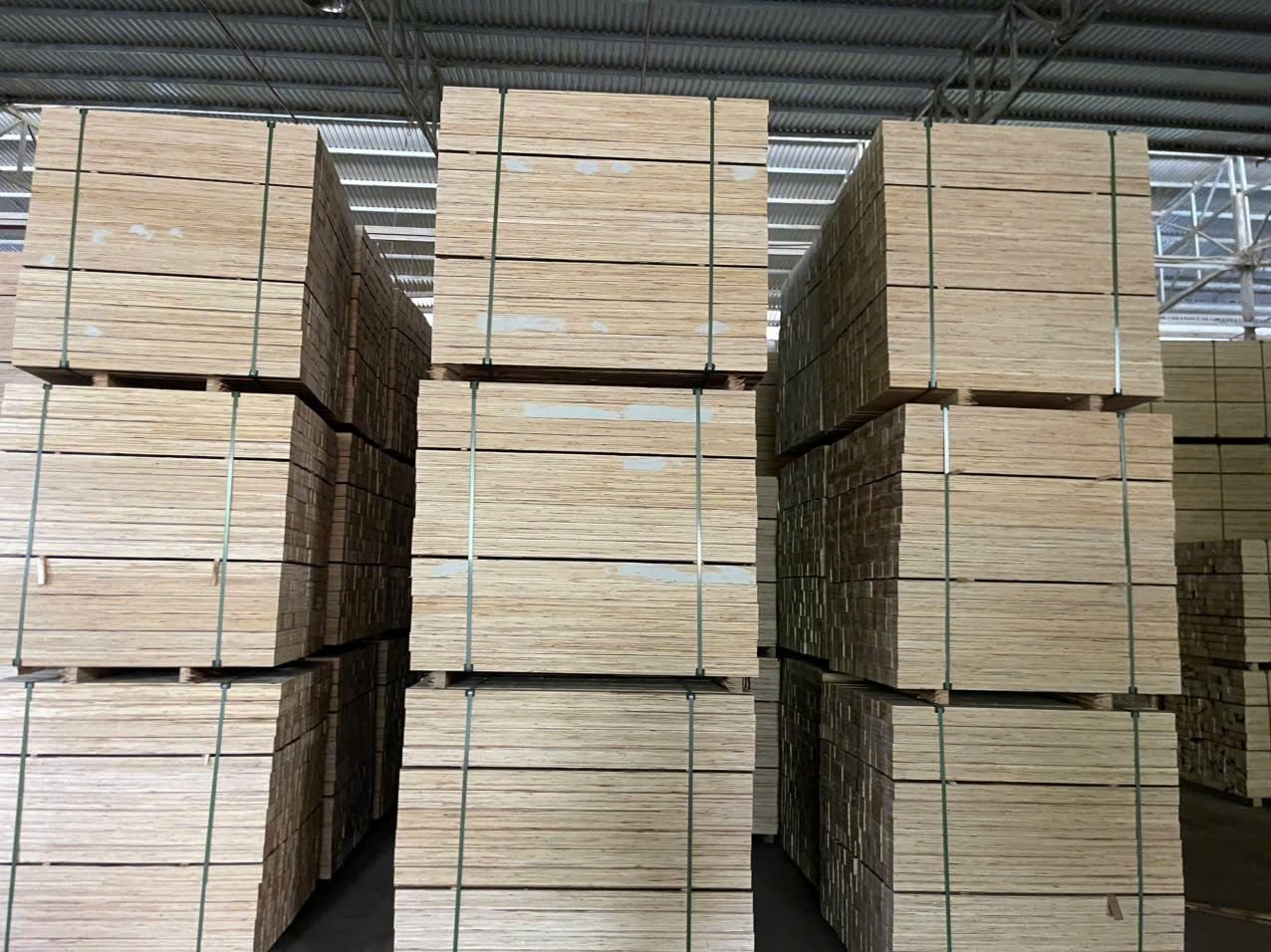
  • Packing. Pallet type, strapping, edge protection and shipping marks — agreed before production, printed on the packing list.

When a buyer sends these six points, ViGoods can usually return a workable quotation within two working days — because the partner factory is quoting a real product, not a guess.

Cost control

Packing plywood: paying for protection, not appearance

Industrial packaging panels have one job: protect the load. Every dollar spent on surface beauty is wasted. A good packing plywood specification talks about:

  • Load and end use — crate walls, pallet decks and casework each need a different construction.
  • Thickness optimised for the container — small thickness changes move total container volume significantly.
  • Written surface and repair limits — what defects are acceptable, in writing, so QC has a rule to check against.
  • Loading evidence — counting sheets on a packing list is not the same as photographing the loaded container.

Buyers who switch from "cheap commercial grade" to a properly specified packing program typically keep the same protection at a lower landed cost — because they stop paying for face veneer they throw away.

Photo essay

From log to container: how your plywood is actually made

Most plywood marketing shows only the finished stack. Here is the chain your order really moves through in northern Vietnam — photographed at mills and factories ViGoods works with.

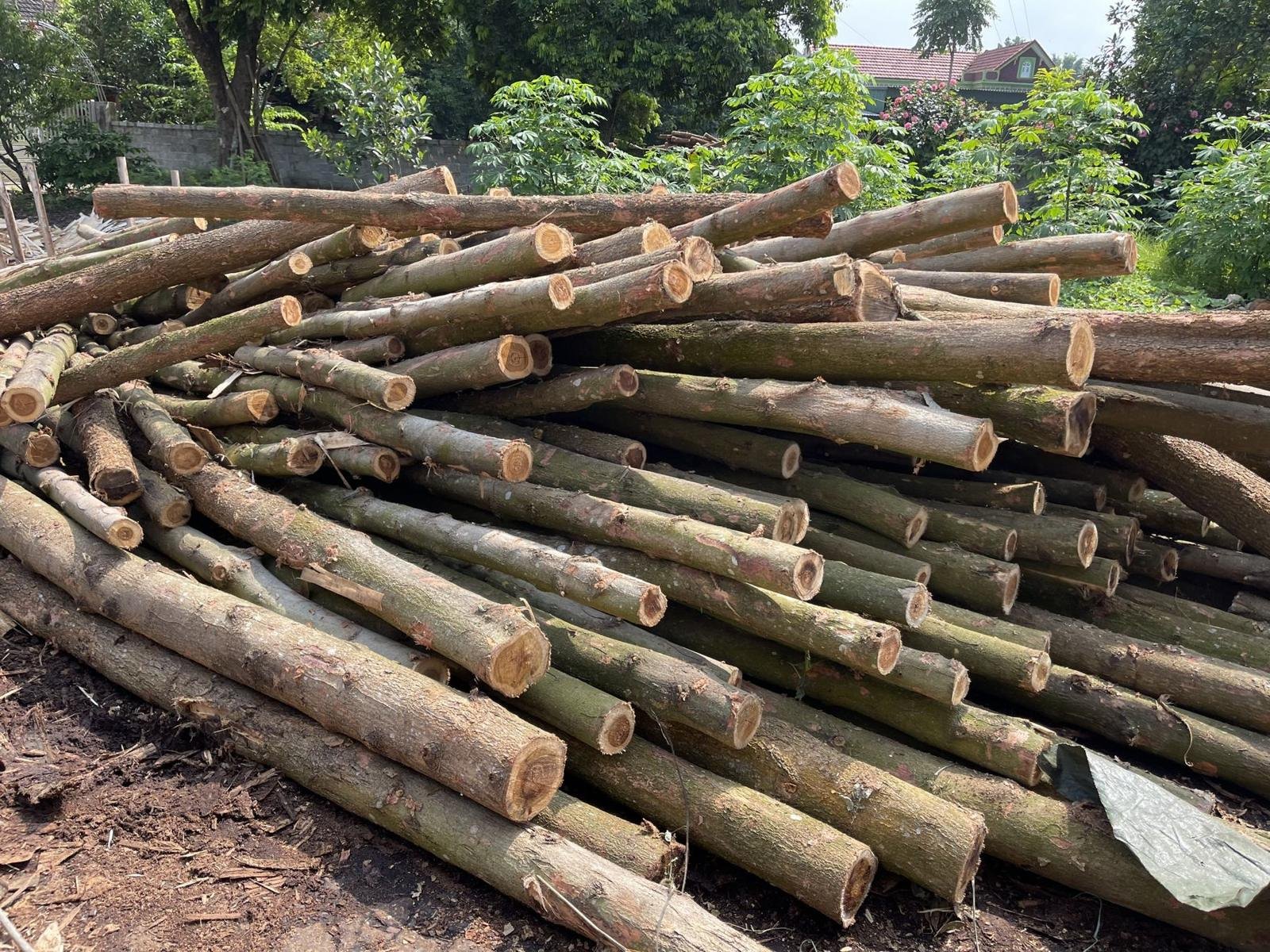
Eucalyptus logs at the yard
Eucalyptus and acacia logs at the yard. Core quality starts here — log diameter and freshness decide veneer yield.
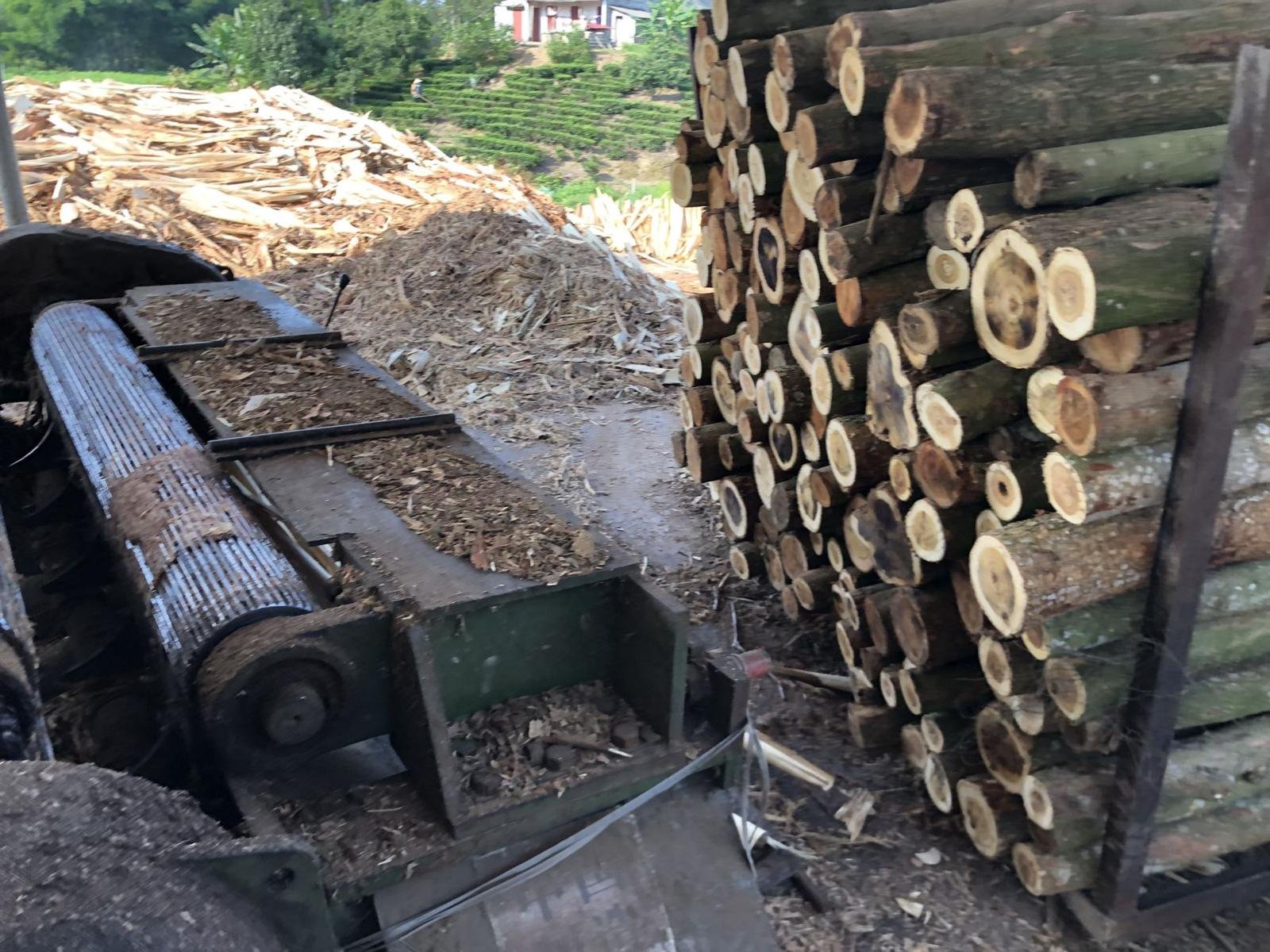
Veneer peeling machine
Rotary peeling turns logs into core veneer. Consistent peel thickness means consistent panel thickness later.
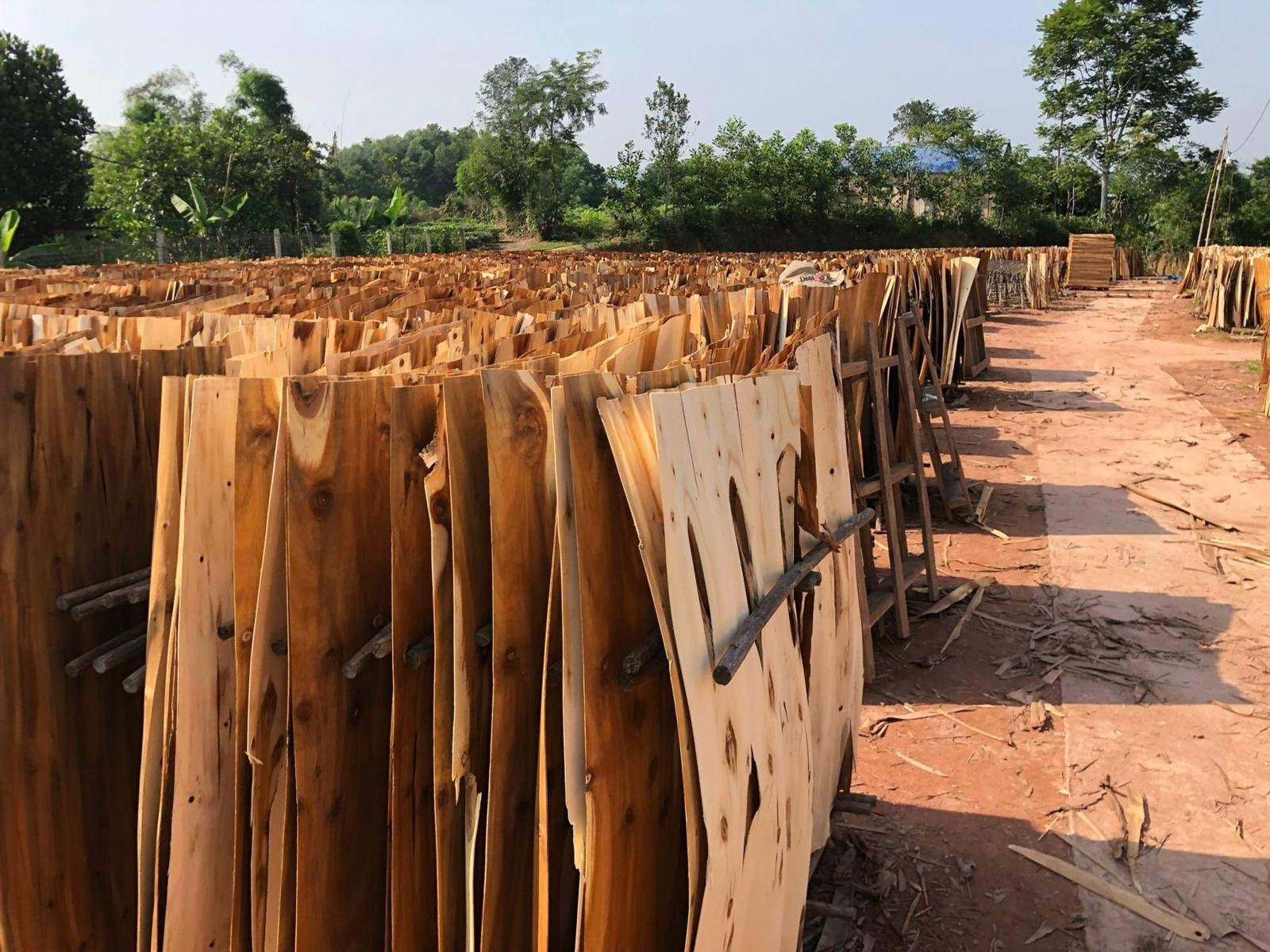
Veneer drying
Core veneer is dried before assembly — moisture control at this stage prevents delamination claims months later.
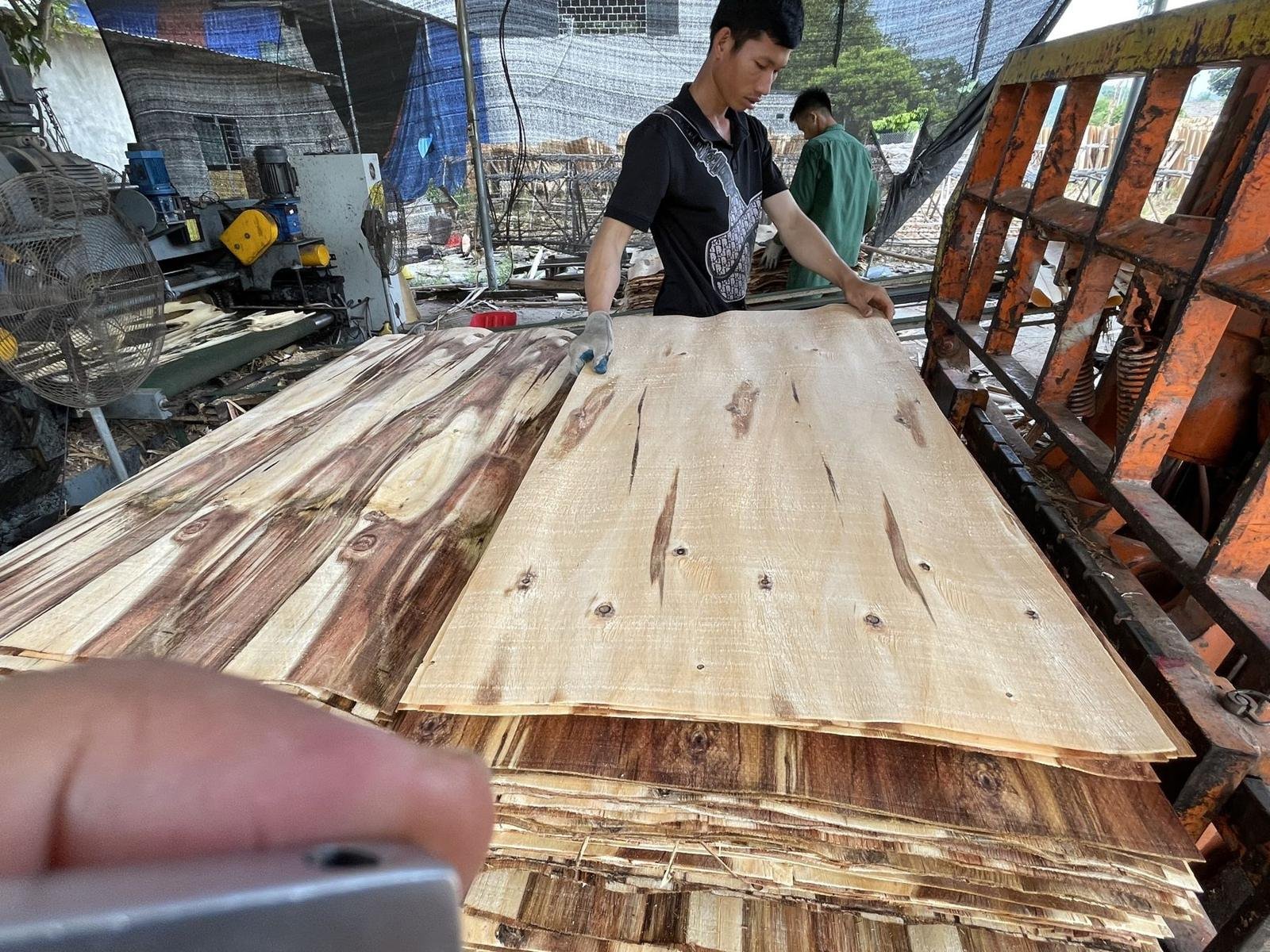
Graded veneer sheets
Dried veneer is graded and repaired before lay-up. This is where a written specification starts to matter.

After lay-up and pressing, panels are calibrated, inspected against the approved sample, packed on export pallets and loaded under a documented container plan. Every step above can be photographed for your specific order — that is the evidence pack ViGoods delivers with a shipment.

Factory story · Video

Inside a partner factory running at ~100 containers a month

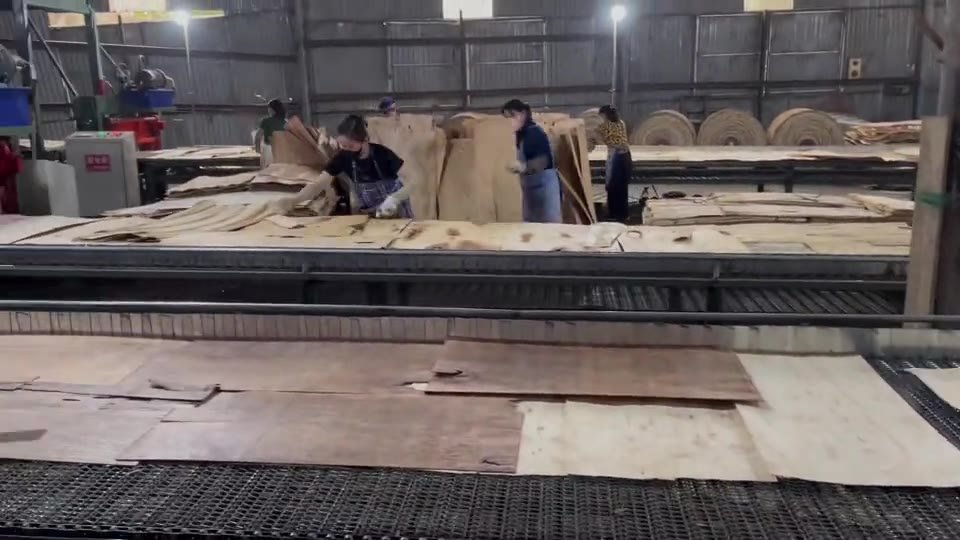
This is one of the largest factories in ViGoods’ partner network in northern Vietnam. After a major machinery upgrade, the factory states a production capacity of around 100 containers of plywood per month — the video below was recorded on its production floor during normal operation.

Production floor during normal operation — recorded by the ViGoods team.

Scale matters to buyers for two practical reasons. First, lead time: a factory running multiple lines can slot a 3–5 container order without pushing your shipment behind a bigger client’s. Second, consistency: high-volume lines keep the same pressing parameters running for days, which is exactly what keeps thickness and bonding stable across a large order.

ViGoods does not own this factory — and does not need to. Our job is to place the right order at the right factory, agree the specification in writing, and document production and loading so you can verify everything from your desk. Capacity figures are the factory’s own statement; what we commit to is the specification and the evidence pack for your order.

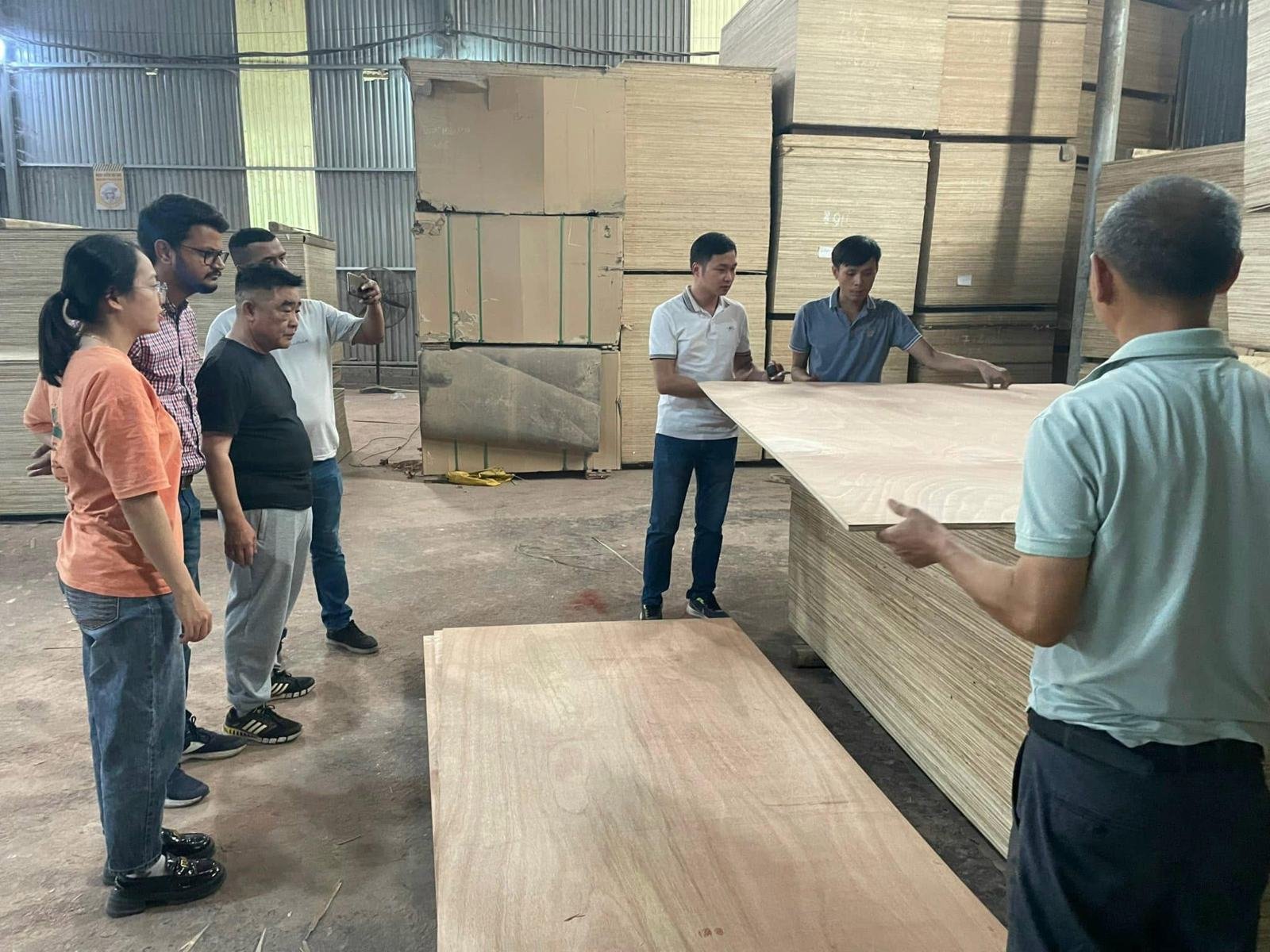
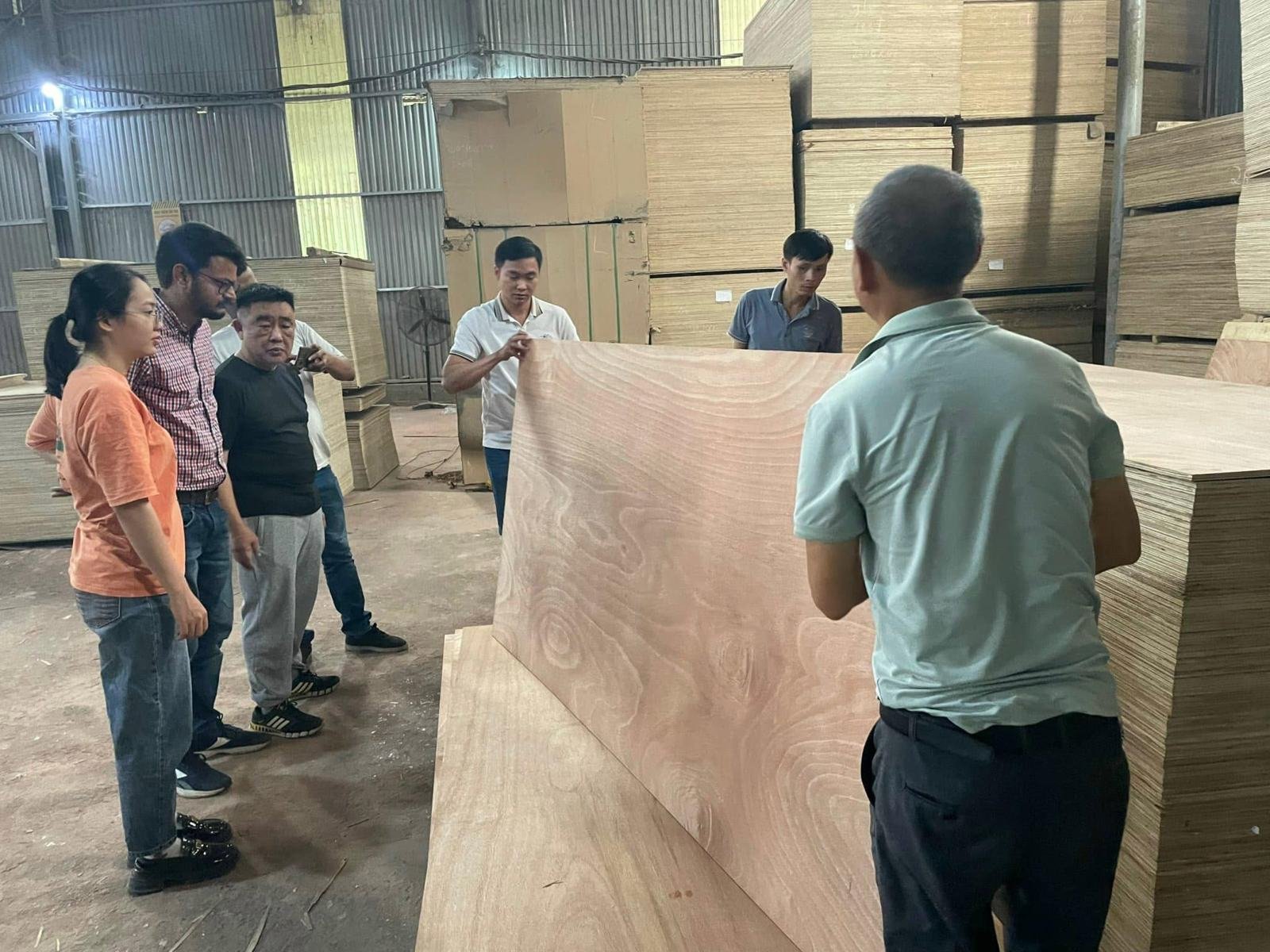
Buyers inspecting panels at the factory
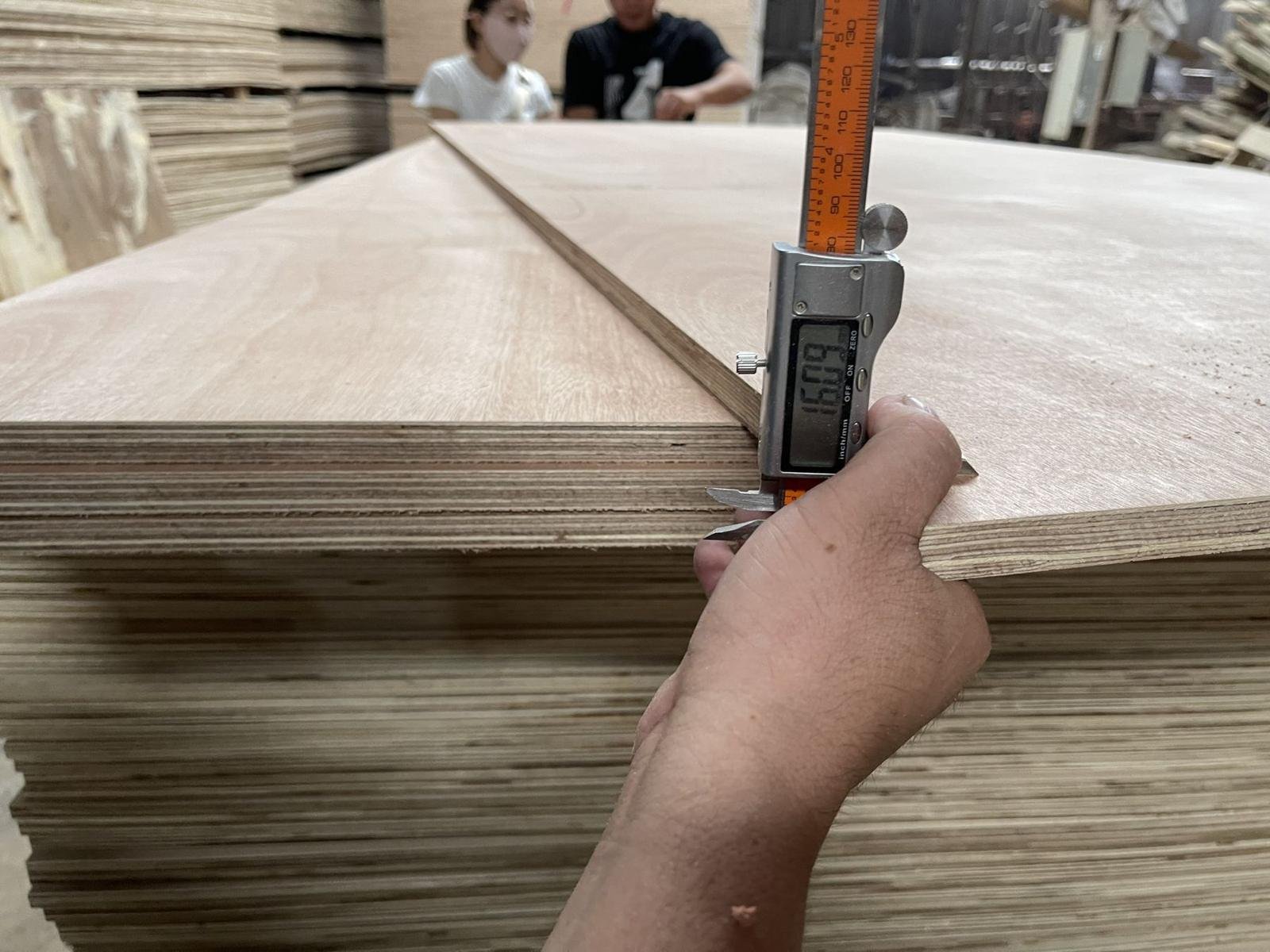
Buyers and the ViGoods team inspecting face quality at the factory — 02/2025.
Panel inspection during a factory visit
Every visit ends the same way: panels out of the stack, checked in daylight.
WhatsApp · fastest replyZalo · +84 928 900 888